Radon, Explained
What it is, why it matters, and how to protect the people in your home.
What Is Radon?
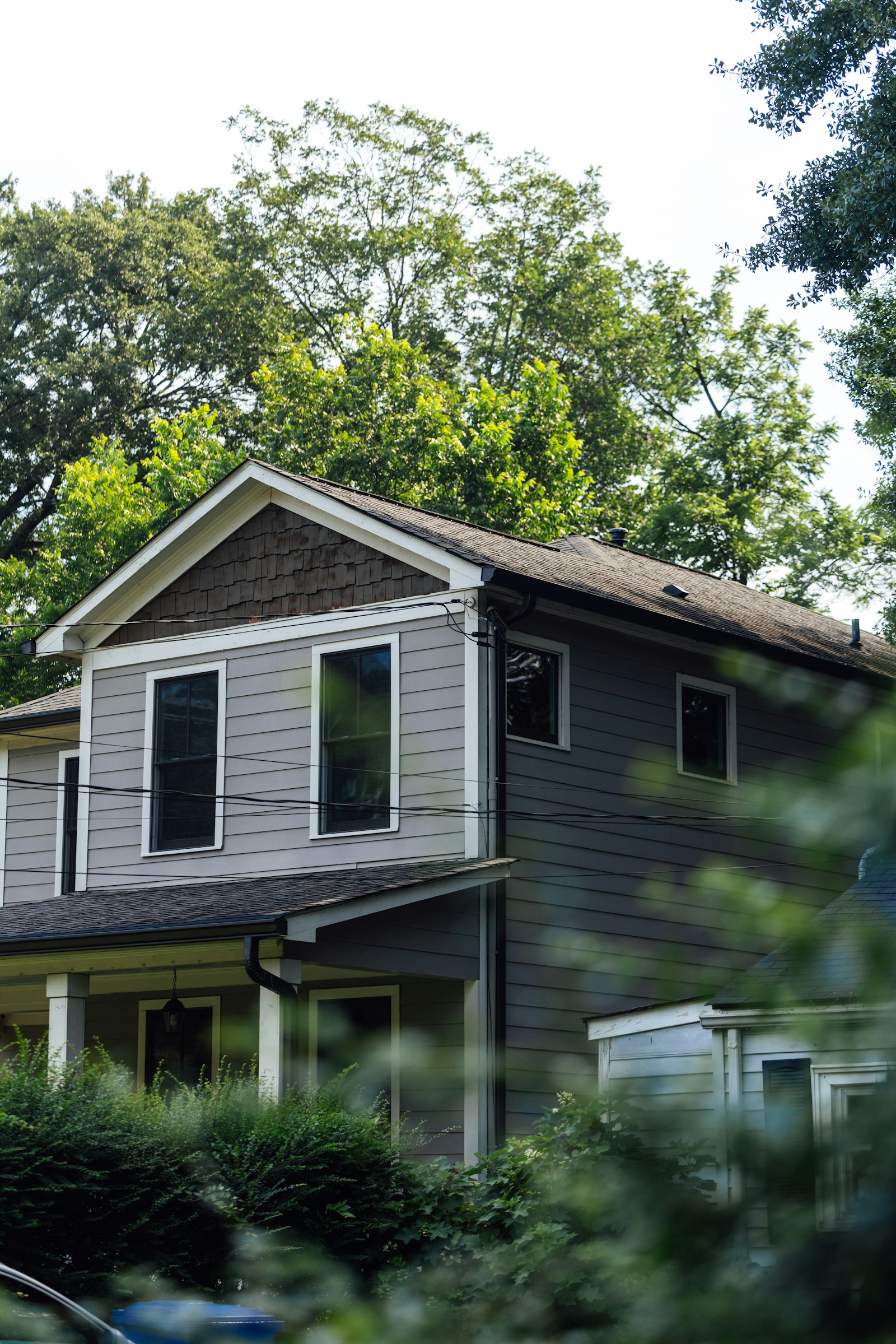
Radon is a naturally occurring radioactive gas created when uranium in soil and rock breaks down. You can't see it, smell it, or taste it, the only way to know it's there is to test for it. Outdoors, radon disperses harmlessly into the air. The problem starts when it seeps up through the ground and collects inside a building.
Radon is measured in picocuries per liter (pCi/L) in the US and becquerels per cubic meter (Bq/m³) in Canada and most of the world. The average outdoor level is about 0.4 pCi/L; the average American home sits around 1.3 pCi/L, and millions of homes are far higher.

Why It Matters
Radon is the second-leading cause of lung cancer overall, and the #1 cause among people who have never smoked. The EPA estimates it causes about 21,000 lung cancer deaths in the US every year, more than drunk driving. When radon gas decays, it releases tiny radioactive particles that lodge in lung tissue and damage it over years of exposure.
The US Surgeon General and the EPA recommend that every home below the third floor be tested for radon. There is no known safe level of radon exposure, the goal is simply to get your home as low as reasonably possible.
How Radon Gets Into Your Home
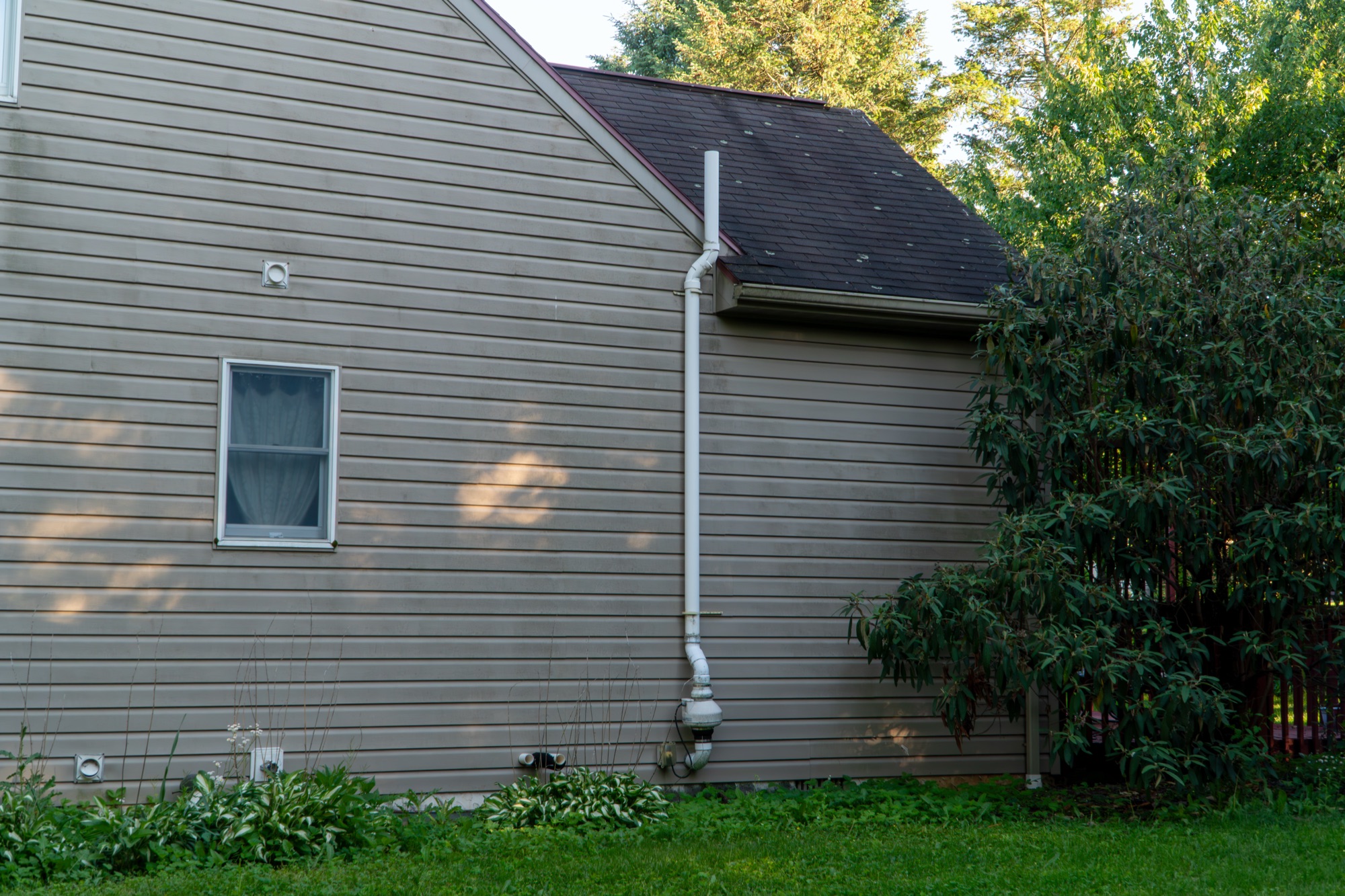
Your house acts like a slow vacuum. Warm air rising through the building pulls soil gas up through every available opening: cracks in the slab or foundation walls, the gap around sump pits, crawlspace floors, utility penetrations, even well water. This "stack effect" is strongest in basements and lowest levels, which is why radon concentrates there.
It doesn't matter whether a home is old or new, drafty or tight, with or without a basement. Two houses next door to each other can have wildly different levels, because it all depends on the soil, the foundation, and the pressure dynamics under that particular home.
What The Numbers Mean
- 4.0 pCi/L, the EPA action level. At or above this, the EPA recommends fixing your home.
- 2.0–4.0 pCi/L, worth reducing. The EPA suggests considering mitigation in this range.
- 2.7 pCi/L (100 Bq/m³), the WHO reference level, and 200 Bq/m³. Health Canada's guideline for taking action.
The EPA also maps every US county into radon zones. Zone 1 counties are predicted to average above 4.0 pCi/L indoors. You'll find your area's zone on our city pages, but remember: zones predict averages, not your house. Only a test tells you your number.
Testing Your Home
Testing is cheap and easy. You can hire a radon measurement professional for a precise 48-hour continuous-monitor test, standard in real-estate transactions, or start with a DIY kit from a hardware store or your state radon program. Short-term tests run 2–7 days; long-term tests (90+ days) capture seasonal swings and give the truest picture of annual exposure.
If a short-term result comes back at 4.0 pCi/L or higher, confirm with a follow-up test or move straight to mitigation. Retest every two years even after a good result, and after any major renovation, foundation work, or new HVAC system.
Fixing High Radon
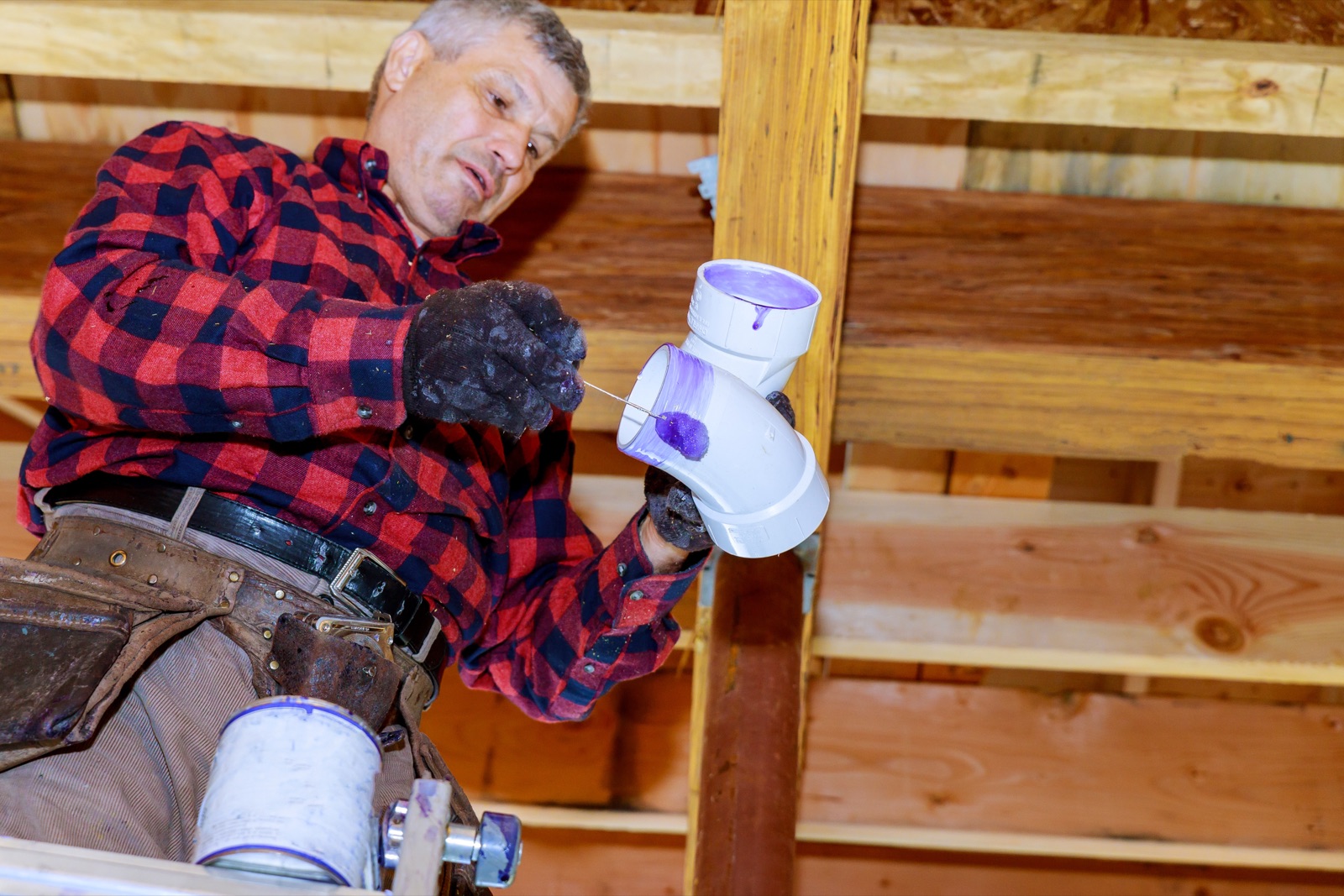
The standard fix, active sub-slab depressurization, is refreshingly effective. A certified mitigation contractor seals a pipe into the foundation, and a quiet inline fan pulls radon-laden soil gas from beneath the slab and vents it above the roofline, before it can enter your home. Most systems install in a single day, cost $800–$2,500, reduce levels by up to 99%, and run on about as much electricity as a light bulb.
Building a new home? Ask about radon-resistant new construction (RRNC), the passive piping costs a few hundred dollars at build time and can be activated with a fan later if needed.
Learn More, Trusted Radon Resources
Radon is one of the best-studied environmental health risks in the world. These are the organizations we recommend for going deeper:
Government Resources. United States
- U.S. Environmental Protection Agency (EPA) (opens in a new tab)
The definitive US authority on radon, action levels, the Citizen's Guide to Radon, and the EPA Map of Radon Zones.
- Centers for Disease Control and Prevention (CDC) (opens in a new tab)
Health-focused radon guidance, exposure research, and prevention recommendations.
- National Radon Program Services (Kansas State University) (opens in a new tab)
EPA-supported national hotlines (1-800-SOS-RADON) and low-cost test kits.
- Your State Radon Office
Every state runs a radon program, find yours (with contact info) on our state pages.
Government Resources. Canada & International
- Health Canada (opens in a new tab)
Canada's national radon guidance, including the 200 Bq/m³ Canadian guideline.
- World Health Organization (WHO) (opens in a new tab)
Global radon health research and the WHO reference level of 100 Bq/m³ (≈2.7 pCi/L).
Where To Check A Pro's Credentials
- Indoor Environments Association (formerly AARST) (opens in a new tab)
The leading professional association for radon scientists and technologists, setting industry standards since 1986.
- National Radon Proficiency Program (NRPP) (opens in a new tab)
The largest US certification program for radon measurement and mitigation professionals.
- National Radon Safety Board (NRSB) (opens in a new tab)
Independent national certification board for radon professionals and laboratories.
- C-NRPP. Canadian National Radon Proficiency Program (opens in a new tab)
Canada's certification program for radon measurement and mitigation professionals.
- CARST. Canadian Association of Radon Scientists and Technologists (opens in a new tab)
Canada's professional radon association, advancing radon awareness and best practices.
Ready To Know Your Radon Level?
Radon pros serve nearly every community in the US and Canada.