Radon Mitigation & Testing
In Louisville, CO
Boulder County
Showing 25 of the 60 radon companies that serve Louisville and the surrounding Boulder County area. Compare what they do and how far they travel, then request a free quote.
EPA Radon Zone 1: HighestUnclaimed Radon Pros Near Louisville
We are waiting for these companies to claim their listing, which is why their full phone number is not shown.

Radon In Louisville And Boulder County
Radon is an invisible, odorless radioactive gas that seeps into homes from the soil, and it is the second-leading cause of lung cancer in the United States, behind only smoking. Boulder County is in EPA Radon Zone 1, the highest-risk category. The EPA predicts average indoor radon screening levels here above 4.0 pCi/L, the level at which the EPA recommends fixing your home. Testing is strongly recommended, and mitigation systems are common in this area.
Because radon comes from the ground beneath each individual foundation, levels swing widely from house to house on the same street. New homes and old homes, with and without basements, can all have elevated radon. The EPA and the Surgeon General recommend that every home below the third floor be tested. The Colorado radon office ((800) 846-3986) can point you to test kits and current state guidance.
If your test comes back at 4.0 pCi/L or higher, a mitigation contractor can install a radon reduction system, usually in a single day, that cuts levels by up to 99%.
7 of them are based in or right beside Louisville; the rest travel in. 28 of them install mitigation systems and 48 test. 17 of them do both. Having the same company test and then mitigate is convenient; having a different one do the post-mitigation retest is the more independent check.
Free And Low Cost Radon Help Near Louisville
Public programs and local organizations, not contractors. Several sell test kits well below retail, and some give them away during Radon Action Month in January. Call ahead: stock and pricing change.
Colorado Radon Program
StatewideThe state's own radon program: the authority on test kits, any licensing your state requires, and what to do about a high result.
InformationReferrals
National Radon Information Line
NationalRun by the EPA's National Radon Program Services at Kansas State University; answers questions about testing and mitigation and refers callers to their state program.
InformationReferrals
Radon FIX-IT Program
NationalA national line for questions about fixing a home that has already tested high.
InformationReferrals
American Lung Association
NationalSells an Alpha Track long-term radon test kit for $38 including shipping, publishes a free one-hour Radon Basics course, and runs Radon Action Month each January.
Low-cost test kitsInformationTalks & events
From each organization's own published information. We do not control what any of them currently offers, and listing one is not a recommendation.
What Does Radon Testing And Mitigation Cost In Louisville, CO?
Nationally, a professional radon test runs $125–$300 for a 48-hour continuous-monitor measurement, while DIY kits cost $15–$40. A full mitigation system typically costs $800–$2,500, with most jobs landing around $1,200–$1,800 depending on foundation type: basements and crawlspaces route differently than slab-on-grade homes.
279 companies cover Louisville within about 50 miles, and the 25 below are a selection of them. Three quotes is a reasonable ask rather than an imposition, and prices for the same job vary more than most homeowners expect.
- Professional short-term test, a 48-hour continuous monitor placed and retrieved by a measurement professional.
- DIY test kit, available from your state radon program and most hardware stores.
- Sub-slab depressurization, the standard system for a basement or slab home, usually installed in a single day.
- Crawlspace membrane systems, more labor, so typically more than a basement install.
- Post-mitigation retest, confirms the system worked, and documents it for resale.
Certification And Licensing In Colorado
Whether radon work requires a license depends on the state. Some license anyone who measures radon for a fee or installs mitigation systems; others leave it to voluntary national certification, so two companies a mile apart can be held to different standards. The radon guide lists where to check either one.
Certification and license details change over time, so check a company's current standing with the Colorado radon office at (800) 846-3986 before you hire.
Radon FAQ For Louisville Homeowners
What Are Radon Levels Like In Louisville?
Boulder County is in EPA Radon Zone 1, the highest-risk category. The EPA predicts average indoor radon screening levels here above 4.0 pCi/L, the level at which the EPA recommends fixing your home. Testing is strongly recommended, and mitigation systems are common in this area. Boulder County is in EPA Zone 1, the highest of the three predicted levels, along with most of Colorado: 51 of its 63 counties. The only way to know your home's actual level is a radon test.
What Radon Level Is Dangerous?
The EPA action level is 4.0 pCi/L, at or above that, the EPA recommends having a mitigation system installed. Because there is no known safe level of radon exposure, the EPA suggests considering mitigation between 2.0 and 4.0 pCi/L as well. The World Health Organization recommends acting at 2.7 pCi/L.
How Do I Test My Home For Radon In Louisville?
You have two options: hire a radon measurement professional from this page for a precise 48-hour monitor test, or use a do-it-yourself test kit from a hardware store or your state radon program. Short-term tests take 2–7 days; if the result is 4.0 pCi/L or higher, confirm with a follow-up test or move straight to mitigation.
How Much Does Radon Mitigation Cost In Louisville?
Most single-family radon mitigation systems cost between $800 and $2,500 installed, with typical jobs around $1,200–$1,800. Those are national figures; we do not publish a price for Louisville, because the number that matters is the one a contractor gives you after looking at your foundation. Price depends on foundation type (basement, slab, crawlspace), house size, and how the piping has to be routed. 279 companies cover Louisville within about 50 miles, and the 25 below are a selection of them. Three quotes is a reasonable ask rather than an imposition, and prices for the same job vary more than most homeowners expect.
How Does A Radon Mitigation System Work?
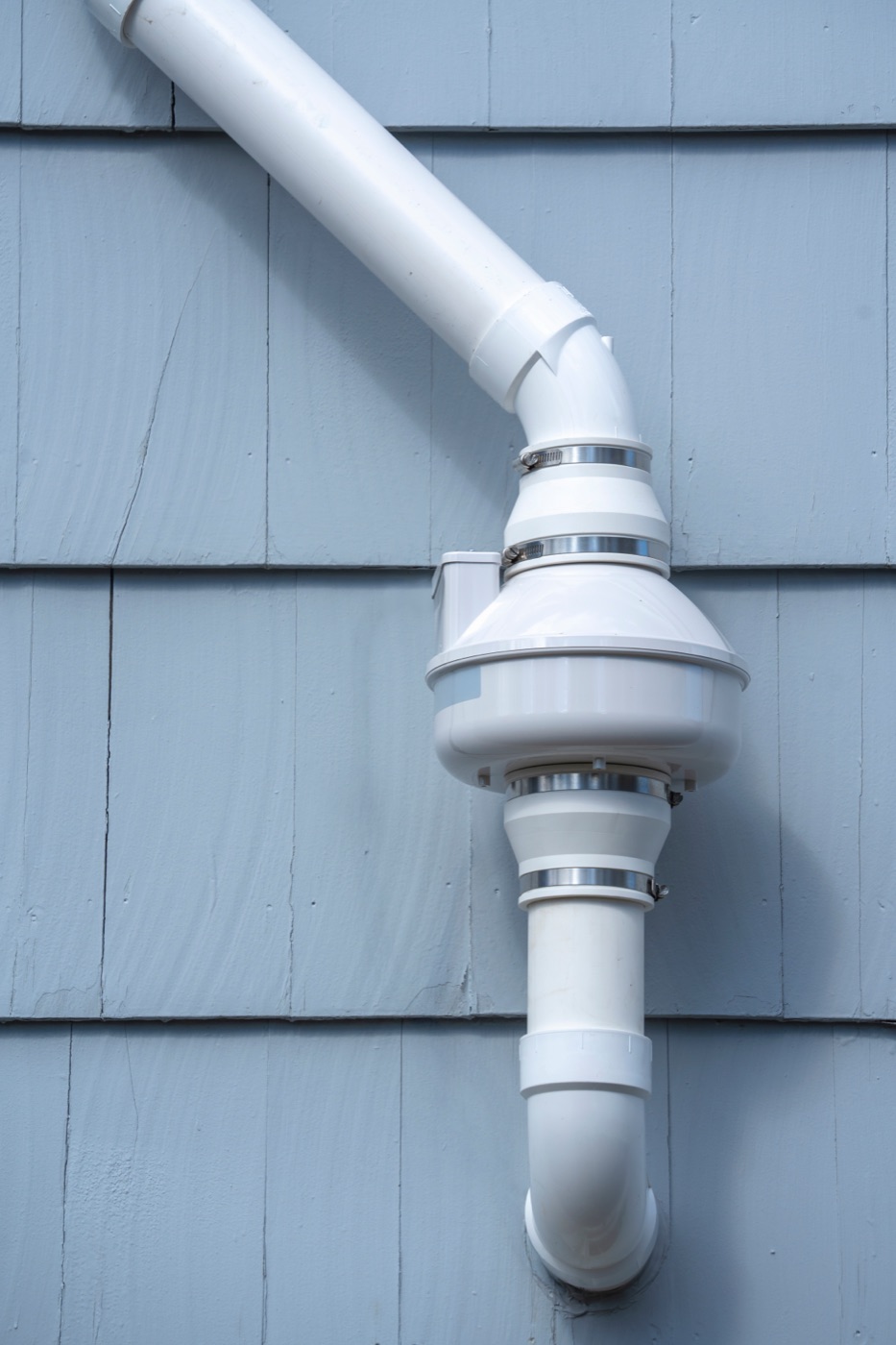
The standard fix is active sub-slab depressurization: a sealed pipe is inserted through the foundation floor, and a continuously running inline fan pulls radon-laden soil gas from under the house and vents it above the roofline, before it can enter your living space. Systems typically reduce radon by 80–99%, run on about as much electricity as a light bulb, and include a manometer so you can see it's working.
Do Radon Contractors In Louisville Need To Be Certified Or Licensed?
It depends on the state. Some states license anyone who measures radon for a fee or installs mitigation systems; others leave it to voluntary national certification. Certification and license details change over time, so check any company's current standing with the Colorado radon office at 1-800-846-3986 before you hire.
I'm Buying Or Selling A Home In Louisville, What About Radon?
Radon testing is a standard part of real-estate transactions in most of the country. Buyers: ask for a professional radon test during your inspection window, it takes about 48 hours. Sellers: testing (and mitigating if needed) before listing avoids surprises at closing. A mitigation system with documented low results is a selling point, not a liability.
Radon Pros Near Louisville
These counts are companies whose service area reaches the town, not companies based there. Most radon work is done by pros who travel, so a smaller town is usually covered by the same firms serving Louisville.
Buying Or Selling A Home In Louisville?
Radon testing is one of the most common inspection items in Louisville real estate transactions, especially in Boulder County, where the EPA predicts elevated average levels. Buyers should request a 48-hour radon test during the inspection window; sellers can get ahead of negotiations by testing before listing. A home with a documented mitigation system and low radon results is a selling point, not a red flag.
More About Louisville & Boulder County
Louisville (population 20,390) sits in Boulder County, Colorado. Boulder County is in EPA Zone 1, the highest of the three predicted levels, along with most of Colorado: 51 of its 63 counties.
Whether you are a longtime resident or new to the area, these resources are useful for getting to know the community.